

By Emma Jones
The Shift in Global Electricity
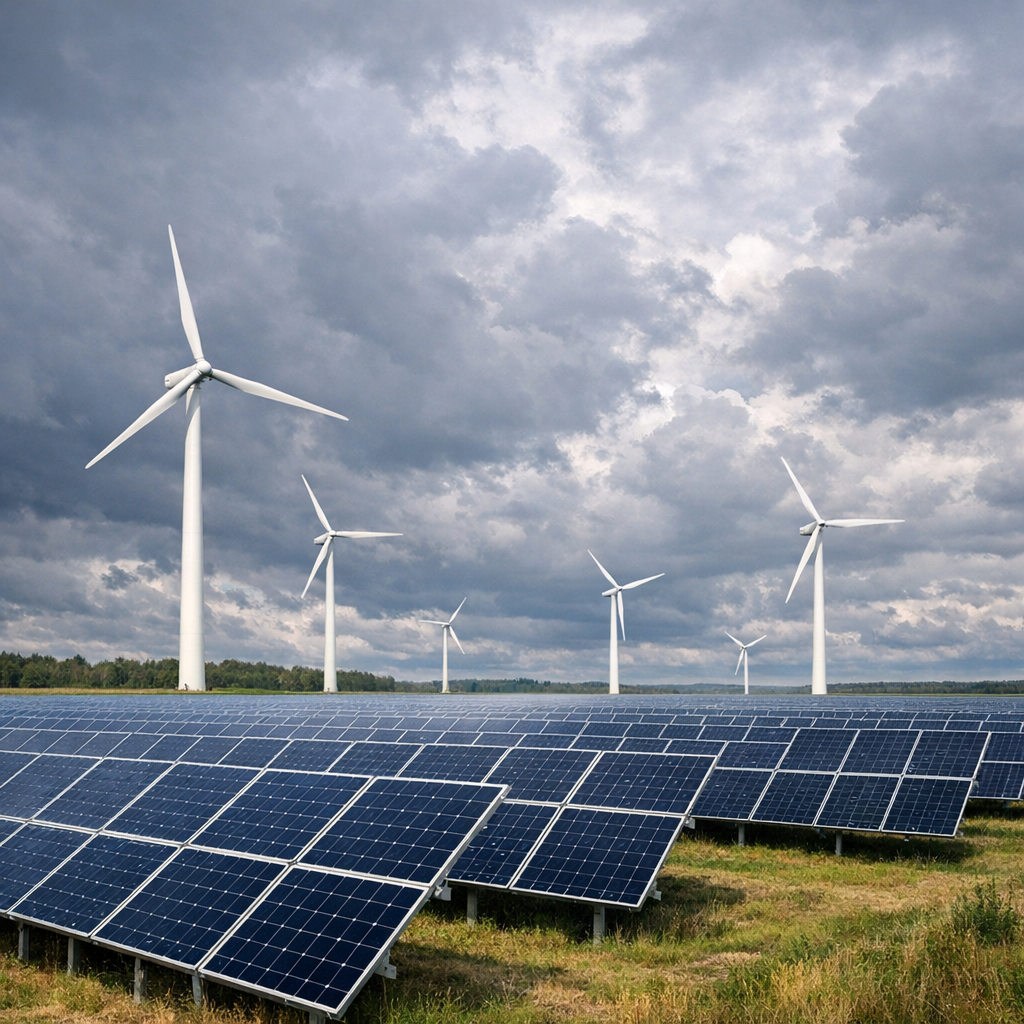
Recent reports show that renewable energy sources—especially solar photovoltaic (PV) panels—have finally overtaken coal as the world’s leading source of electricity generation. For the first time, solar PV alone contributed more than one-quarter of the growth in global energy demand, making it the single largest fuel source added last year. While coal remains part of the mix, its share is declining in major users such as China and India. This shift marks a turning point in the global energy landscape (breaking decades of inertia) driven by falling costs, innovation, and urgent climate commitments.
What’s Driving the Change
Growth of Solar and Wind Capacity
In 2025, nearly 800 gigawatts (GW) of renewable capacity was added globally—setting a new record. Over three-quarters of these additions came from solar PV systems, and wind energy made significant gains as well. China led that expansion, responsible for over 60 percent of the global growth in new renewable installations. Other regions are also scaling up, although faces challenges like permitting delays, financing bottlenecks, and supply chain strains.
Climate Patterns & Energy Demand
Climate-driven changes are not just background noise. Warmest‐on-record years are pushing cooling demands higher while rainfall variability impacts hydropower output. These weather shifts make clean and more flexible systems essential—not just to adapt, but to maintain reliable energy service in a changing environment. Energy planning is increasingly integrating climate data to forecast demand, design resilient grids, and minimize disruptions.
Global Implications & Local Reflections
Renewables’ rise is reshaping geopolitics, trade, and development. Countries once heavily dependent on coal are finding new economic opportunities in solar PV manufacturing, grid modernization, and clean tech innovation. Meanwhile, international cooperation—through climate treaties, energy finance institutions, and multilateral goals like the Paris Agreement and the Sustainable Development Goals—is helping align incentives and resources. But there’s still a gap: current plans are strong, yet they fall short of ambitious targets set at global summits.
For communities here in Montgomery, Alabama, these global trends can mean more clean energy investments, job growth in solar and wind sectors, and opportunities in energy efficiency and storage. Watching the world shift toward renewables reminds us that what happens globally can spur change locally, especially in energy policy, sustainability planning, and economic development.
Looking Forward
To sustain the momentum, countries must confront several challenges: making permitting faster and more transparent, mobilizing funding especially for developing economies, ensuring grids can handle variable renewables, and strengthening climate intelligence in planning. If those pieces fall into place, renewables could soon meet well over 40 percent of global electricity supply, reduce emissions significantly, and help avoid the worst effects of climate change.